In the realm of electronics, Flexible PCBs (Flexible Printed Circuit Boards) have emerged as a pivotal technology, driving innovation across various industries. This blog aims to shed light on the definition, applications, advantages, and differences between Flexible PCBs and traditional Rigid PCBs, as well as scenarios where Flexible PCBs are particularly advantageous.
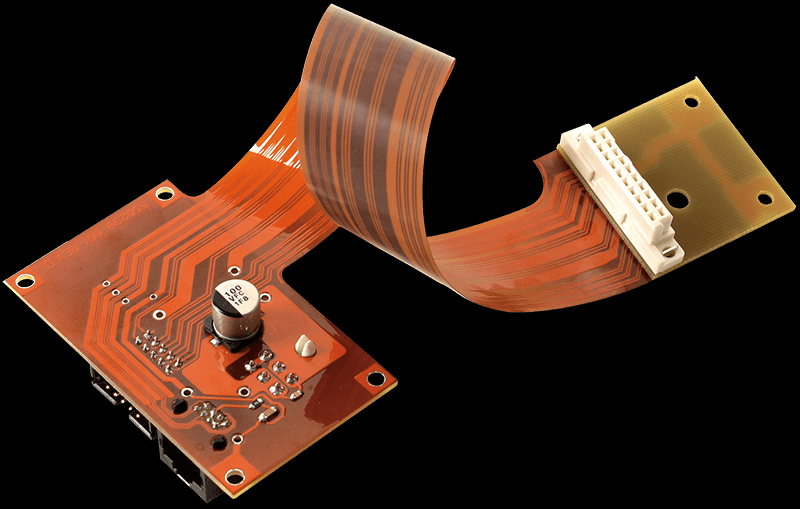
Definition of Flexible PCB
A Flexible PCB, also known as Flex PCB or FPCB, is a type of printed circuit board designed to be bent, folded, or twisted without compromising its functionality. Unlike traditional rigid PCBs, flexible PCBs are constructed using flexible plastic substrates, such as polyimide or polyester films, allowing for more dynamic and versatile applications.
Applications of Flexible PCB
Flexible PCBs are used in a wide array of industries due to their versatility and durability. Some notable applications include:
1、Consumer Electronics: Flexible PCBs are extensively used in smartphones, tablets, and wearable devices. Their ability to conform to various shapes and spaces makes them ideal for compact and lightweight electronic gadgets.
2、Medical Devices: In the medical field, flexible PCBs are employed in devices like pacemakers, hearing aids, and diagnostic equipment, where small size and reliability are crucial.
3、Automotive Industry: Flexible PCBs are used in automotive electronics, including dashboard displays, sensors, and control systems. Their resilience to vibrations and harsh conditions is a significant advantage in this sector.
4、Aerospace and Defense: The aerospace and defense industries utilize flexible PCBs in communication systems, navigation equipment, and other critical applications where durability and reliability are essential.
5、Industrial Equipment: Flexible PCBs are found in industrial machinery and robotics, where they provide reliable connections in environments that experience frequent movement and mechanical stress.
Differences Between Flexible PCB and Rigid PCB
While both Flexible and Rigid PCBs serve to connect electronic components, they differ significantly in construction and applications:
Material:
Flexible PCB: Made from flexible materials like polyimide or polyester.
Rigid PCB: Constructed from solid substrates like FR4 (a composite material made from woven fiberglass cloth with an epoxy resin binder).
Flexibility:
Flexible PCB: Can be bent, folded, or twisted to fit into tight spaces or around curves.
Rigid PCB: Maintains a fixed, rigid shape and cannot be bent without damage.
Weight and Thickness:
Flexible PCB: Generally lighter and thinner, making them suitable for applications where space and weight are critical.
Rigid PCB: Thicker and heavier, providing better structural support.
Durability:
Flexible PCB: More resistant to vibrations and mechanical stress.
Rigid PCB: Better suited for applications requiring solid structural support.
When to Use Flexible PCB
Flexible PCBs are ideal in scenarios where traditional rigid PCBs fall short. Here are some situations where using flexible PCBs is advantageous:
1、Space Constraints: When electronic components need to fit into tight or oddly shaped spaces, flexible PCBs can be folded or bent to accommodate the design requirements.
2、Dynamic Applications: In applications where the circuit board needs to move or flex during operation, such as in wearable devices or robotic arms, flexible PCBs provide the necessary durability and reliability.
3、Weight Reduction: For devices where weight is a critical factor, such as in aerospace or portable consumer electronics, flexible PCBs offer a lighter alternative to rigid boards.
4、Improved Durability: In environments subjected to constant vibration or mechanical stress, like in automotive or industrial applications, flexible PCBs withstand the rigors better than rigid counterparts.
5、Simplified Assembly: Flexible PCBs can simplify the assembly process by reducing the need for connectors and cables, as they can be directly attached to the components in a more streamlined manner.
Conclusion
Flexible PCBs are a versatile and innovative solution in the electronics industry, offering numerous advantages over traditional rigid PCBs. Their ability to fit into compact spaces, withstand dynamic movements, and reduce weight makes them an indispensable component in various applications. Understanding the unique properties and benefits of flexible PCBs can help designers and engineers make informed decisions when developing cutting-edge electronic products.
By leveraging the flexibility and durability of Flexible PCBs, industries can continue to push the boundaries of technology, creating smaller, lighter, and more efficient electronic devices. For PCB fabircation needs, welcome to make inquiries to us.


![[KES 2025] Zero One Solution Limited to Showcase Advanced PCBA Solutions at KES 2025 in Seoul](http://ueeshop.ly200-cdn.com/u_file/UPAY/UPAY381/2510/photo/ae5b6fdca5.jpg)

